
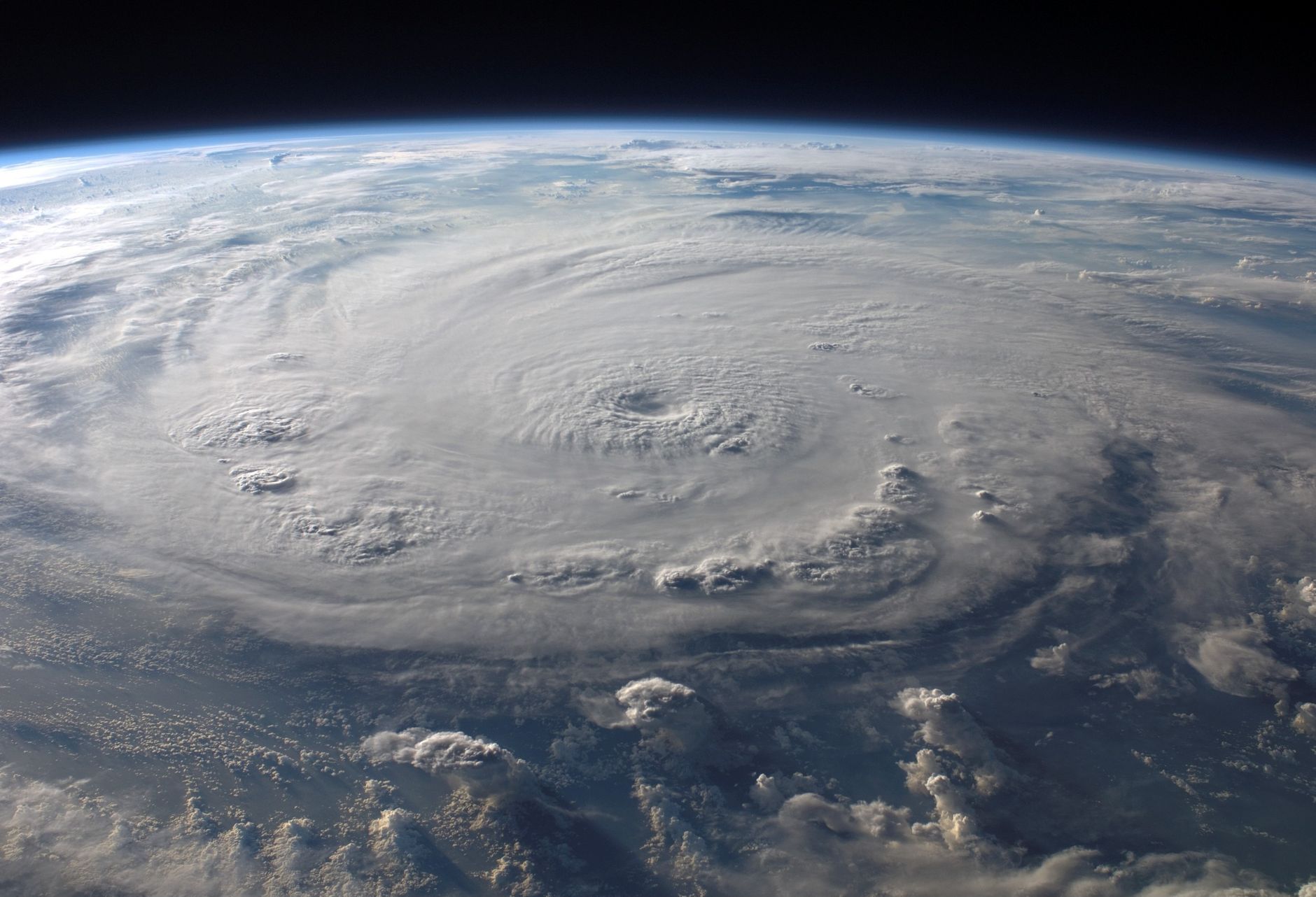
Hurricanes in the Pacific are swirling, raising alarms for coastal communities. As three powerful storms develop, residents are urged to stay informed and prepared.
Understanding the Current Hurricane Situation
The Pacific Ocean is currently experiencing a significant weather event, as a trio of hurricanes takes shape in its waters. Understanding the current hurricane situation is essential for those living in coastal areas and for those who follow weather patterns closely.
These hurricanes in the Pacific have raised concerns among meteorologists and residents alike. The storms are classified based on their strength and potential impact, with some exhibiting characteristics that could lead to severe weather conditions.
- Hurricane A: This storm is expected to strengthen and may pose a threat to nearby islands.
- Hurricane B: Currently categorized as a Category 3 storm, it is tracking northward, sparing major land masses but still generating large swells.
- Hurricane C: This system is gradually dissipating but has already caused heavy rainfall in some regions.
Residents in affected areas should remain vigilant and stay updated on forecasts. Emergency services are on alert, prepared to respond to any changes in these hurricanes’ paths or intensities. While these storms can be unpredictable, understanding the current hurricane situation can help communities prepare and respond effectively.
Impact of Hurricanes on Coastal Areas
The impact of hurricanes in the Pacific can be devastating for coastal areas, leading to significant destruction and loss of life. Residents in these regions must be prepared for various consequences when these powerful storms make landfall.
Among the most pressing concerns are:
- Flooding: Intense rainfall associated with hurricanes can result in severe flooding, overwhelming drainage systems and inundating homes.
- Wind Damage: High winds can uproot trees, damage buildings, and disrupt power lines, leaving communities without electricity for extended periods.
- Storm Surges: As hurricanes approach, they often cause sea levels to rise dramatically, leading to storm surges that can inundate coastal areas and wash away infrastructure.
- Economic Impact: The aftermath of hurricanes can cripple local economies, affecting businesses and leading to costly repairs and recovery efforts.
Additionally, the psychological toll on residents cannot be overlooked, as the fear and uncertainty brought by hurricanes in the Pacific can lead to long-lasting emotional distress.
Communities are encouraged to stay informed and prepare adequately to mitigate the effects of future hurricanes.
Safety Tips During Hurricane Season
As hurricane season approaches, it is essential to be prepared, especially with the increasing frequency of hurricanes in the Pacific. Here are some vital safety tips to ensure you and your family stay safe during this tumultuous time.
- Stay Informed: Regularly monitor weather updates and forecasts from reliable sources such as the National Hurricane Center.
- Create an Emergency Kit: Assemble a kit that includes water, non-perishable food, a flashlight, batteries, a first-aid kit, and important documents.
- Develop an Evacuation Plan: Know your local evacuation routes and have a plan in place for where you can stay if you need to leave your home.
- Secure Your Home: Reinforce windows and doors, and remove any outdoor items that could become projectiles in strong winds.
- Communicate: Ensure all family members are aware of the emergency plan and have a way to contact one another if separated.
- Stay Indoors: During a hurricane, remain indoors away from windows, and avoid using electrical appliances.
By following these tips, you can help protect yourself and your loved ones from the dangers posed by hurricanes in the Pacific.
How to Prepare for a Hurricane
As hurricanes in the Pacific continue to pose a significant threat, preparation is essential to ensure safety and minimize damage. Here are key steps to take before a hurricane strikes:
- Create an Emergency Kit: Stock up on essentials such as water, non-perishable food, medications, first-aid supplies, and flashlights. Ensure you have enough supplies to last at least 72 hours.
- Develop a Family Emergency Plan: Discuss with your family how to stay safe during a hurricane. Identify a safe meeting place and establish communication methods in case you get separated.
- Secure Your Home: Reinforce windows and doors, trim trees, and remove any outdoor items that could become projectiles. Consider installing hurricane shutters if you live in a high-risk area.
- Stay Informed: Monitor local weather reports and stay updated on the progress of hurricanes in the Pacific. Sign up for alerts from local emergency management offices.
- Know Evacuation Routes: Familiarize yourself with local evacuation routes and have a plan in place to evacuate if necessary.
By taking these steps, you can enhance your safety and readiness in the face of an impending hurricane.
The Science Behind Hurricane Formation
Hurricanes in the Pacific are fascinating yet formidable weather phenomena that arise from specific atmospheric conditions. Understanding the science behind hurricane formation is crucial for recognizing their potential impact.
The process begins with warm ocean waters, typically above 26.5 degrees Celsius, which serve as the primary energy source for these storms. As the warm air above the water rises, it creates a low-pressure area. This process is known as evaporation, where moisture from the ocean surface transforms into vapor, rising into the atmosphere.
As the moisture-laden air ascends, it cools and condenses, forming clouds and releasing latent heat. This release of heat further warms the surrounding air, causing it to rise more rapidly, which in turn lowers the pressure even further. This cycle continues, drawing in more warm air and moisture from the ocean.
Additionally, the Earth’s rotation plays a critical role in the development of hurricanes. The Coriolis effect causes winds to spiral around the low-pressure center, leading to the characteristic rotation of hurricanes. Various factors, including wind shear and atmospheric stability, also influence whether a storm can develop into a hurricane. By understanding these elements, we can better prepare for the unpredictable nature of hurricanes in the Pacific.
Photo by Pixabay on Pexels